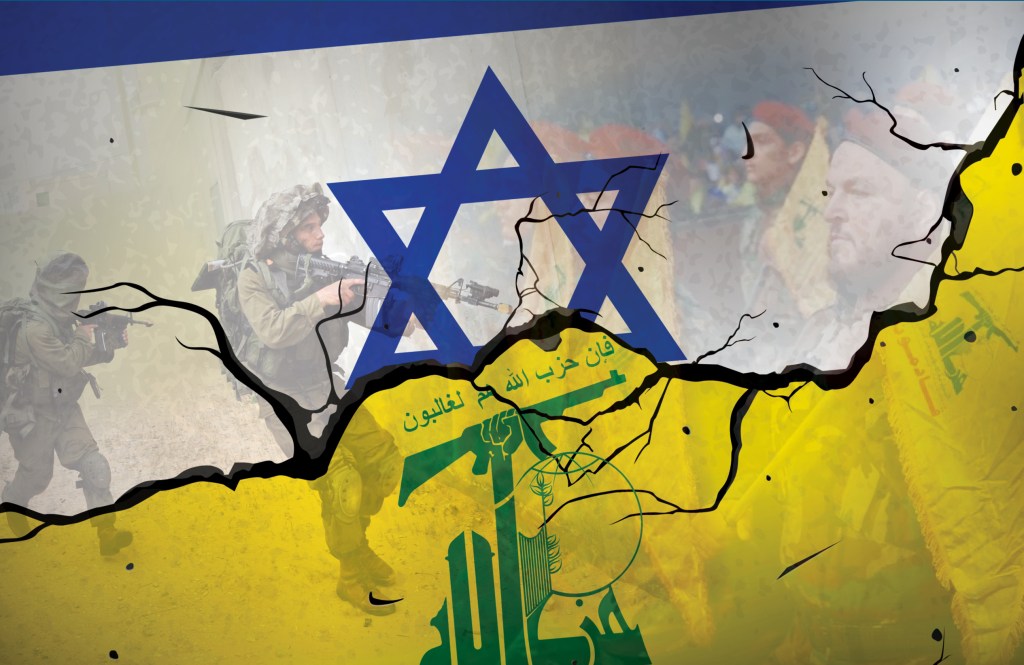
In an extraordinary display of hybrid warfare, Israel executed a massive coordinated cyberattack and series of detonations across hundreds of Hezbollah positions in Lebanon and Syria. The scale of the operation is unprecedented, with hundreds of explosions timed simultaneously, resulting in significant casualties, Including the Iranian Ambassador to Lebanon. though the full extent of the damage remains unclear. The attack comes in response to Hezbollah’s increasing hostilities since October 7th, and recent months. further intensifying an already volatile situation between Israel and the militant group.
The assault is believed to have been carried out by exploiting a shipment intended for Hezbollah. Israeli operatives reportedly infiltrated a company supplying equipment to Hezbollah and planted small explosives within the shipment. The explosives were remotely detonated in a coordinated attack, spanning hundreds of locations in Hezbollah-controlled areas. The scale and precision of the attack indicate that it was not just a conventional military strike, but a calculated hybrid operation blending cyber infiltration with physical sabotage.
Hezbollah, a Shiite militant group with strong backing from Iran, has long been a major player in the geopolitical landscape of the Middle East. In recent years, its involvement in regional conflicts, particularly in Syria, and its ongoing conflict with Israel have kept tensions simmering. However, since October 7th, Hezbollah has ramped up its attacks against Israeli positions, aligning itself more aggressively with the broader regional instability and its Iranian backers.
The October 7th date marked a turning point in the ongoing conflict, with Hezbollah stepping up missile strikes and border skirmishes, provoking retaliatory strikes from Israel. The group’s aggressive posture has been viewed as part of a larger strategy to assert its role in the broader regional struggle, particularly in the context of the Iran-Israel proxy conflict.
Following the cyberattack and the series of detonations, Hezbollah has yet to release a formal statement. However, early reports suggest that the group has suffered significant personnel losses, though the damage to their operational infrastructure remains uncertain. Israel’s strategy in this attack appears to focus on hitting Hezbollah where it is most vulnerable, targeting personnel and key logistical points while avoiding a direct strike on their military capabilities.
As Hezbollah continues to escalate its actions, this unprecedented Israeli operation signals a new chapter in the conflict, illustrating Israel’s ability to strike deep within enemy lines through unconventional means.
This all comes right after the Israeli Government issued its main mission statement this morning, in halting Hezbollah’s attacks in the country’s north to allow residents to return to their homes is now an official war goal.
This large-scale, coordinated attack marks a significant escalation in the conflict between Israel and Hezbollah. As Hezbollah’s aggressive actions have increased since October 7th, Israel’s response has evolved into sophisticated, hybrid operations aimed at disrupting the group’s operational capacity. With tensions continuing to rise, this latest assault will undoubtedly have profound implications for the broader conflict in the region.

 Orion's Compass
Leave a comment