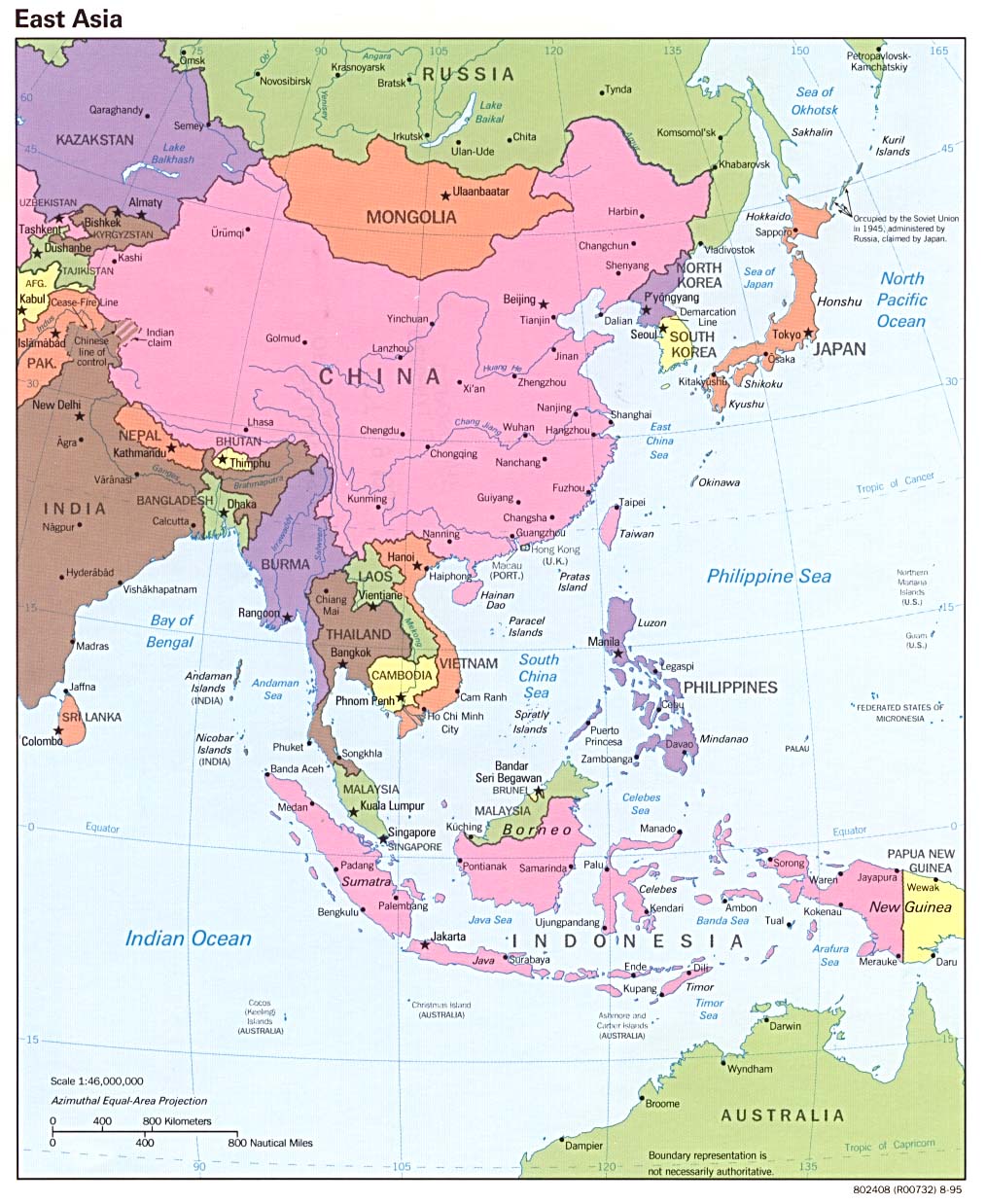
East and Southeast Asia are regions of immense diversity and global significance, shaping both the economic and geopolitical landscapes of the 21st century. East Asia, anchored by giants like China, Japan, and South Korea, is a hub of technological innovation and economic power. China’s global influence continues to expand through initiatives like the Belt and Road, while Japan and South Korea remain leaders in industries such as robotics, AI, and green technology. However, the region grapples with significant challenges, including territorial tensions, the Taiwan issue, and North Korea’s nuclear ambitions.
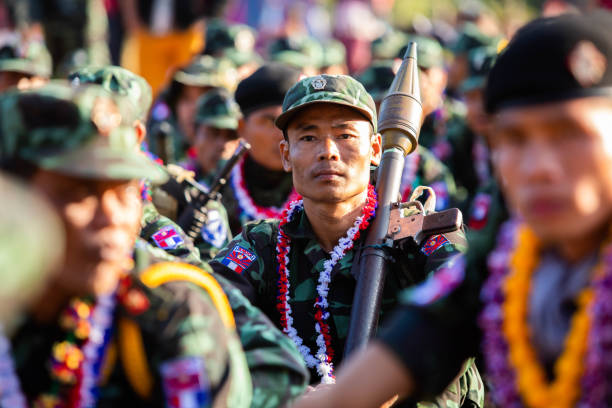
Southeast Asia, with rapidly growing economies such as Vietnam, Thailand, and Indonesia, is also emerging as a key player in global trade. The Association of Southeast Asian Nations (ASEAN) promotes regional cooperation, but the region faces internal challenges like political unrest in Myanmar, territorial disputes in the South China Sea, and the effects of climate change. Both regions are balancing modernization with tradition, tackling urbanization, economic inequality, and sustainability issues. Together, East and Southeast Asia are shaping the future of trade, technology, and diplomacy on a global scale, while navigating complex political dynamics and regional security concerns.


 Orion's Compass
Leave a comment